Israel’s old sabotage playbook is back
TEHRAN — The visceral, coordinated backlash from Tel Aviv and Washington to the recent diplomatic openings between Iran and the United States has exposed the underlying fragility of the Zionist war machine.
As indirect negotiations mediated by Pakistan and Qatar signal a possible end to the war, the unfreezing of Iranian assets, and fresh de-escalatory steps regarding the Strait of Hormuz, Israeli leaders, the pro-Israel lobby, and American neoconservatives have erupted in synchronized panic.
Their fury reveals a strategic aim that transcends blocking a single memorandum. It is designed to preserve an architecture of coercion that attempts to make Iran permanently isolated, economically besieged, and portrayed as a dangerous rogue.
A theater of political humiliation
The reaction from Israel reads like an admission of profound strategic impotence. Prime Minister Benjamin Netanyahu has been effectively sidelined from the core negotiations, sparking a political meltdown within the regime.
Opposition leader Yair Lapid framed the lack of Israeli involvement as an unprecedented historical disaster, complaining that Israel has been reduced to a mere demolitions contractor, utilized for firepower but discarded when terms are dictated.
Former deputy prime minister Avigdor Liberman delivered a blistering denunciation, calling any agreement a catastrophe because it leaves the Iranian leadership in power. He openly admitted military failure and accused Netanyahu of submissively transforming Israel into a banana republic.
Former Prime Minister Naftali Bennett peddled illusions of a “vengeful Iran rebuilding to buy time,” and far-right politician Zvika Fogel accused Trump of wimping out.
The neoconservative meltdown on Capitol Hill
In Washington, the hawkish chorus is equally frantic, exposing a deep fear that diplomacy could succeed where sheer military aggression has clearly failed.
Senators such as Lindsey Graham and Ted Cruz have cast the diplomacy as an apocalyptic surrender. Cruz warned that allowing a sovereign Iran to receive its own financial assets and control strategic waterways is a “disastrous mistake.”
Graham claimed an early deal would become a nightmare for Israel, inadvertently confessing that geopolitical dominance is his true priority.
Former State Secretary Mike Pompeo furiously attacked the diplomatic process, comparing it to the Obama administration playbook and accusing mediators of abandoning an America First policy.
Former national security adviser John Bolton further accused the White House of failing to finish the job, lamenting the lost opportunity to completely dismantle Iran.
Trump-aligned right-wing media figures have amplified this hysteria. Mark Levin raged against the word “ceasefire,” demanding unconditional surrender and invoking Hitler analogies.
Laura Loomer complained that the Iranian government is now legitimized, emboldened, and celebrating the ceasefire.
The collapse of a sabotage routine
This synchronized outrage signals the death rattle of the longstanding good-cop, bad-cop routine. For decades, Washington posed as the voice of restraint while Israel played the role of the erratic attack dog, using assassinations, sabotage, and military strikes to extract maximalist concessions or kill diplomacy altogether.
Now, Trump’s blatant warmongering has left no room for such pretense, exposing the seamless coordination between Washington and Tel Aviv in their joint campaign against Iran.
Historically, whenever talks showed momentum, kinetic sabotage swiftly followed. In 1995, 2002, and during the extensive JCPOA negotiations, the Israel lobby weaponized Congress to block any meaningful rapprochement.
During the June 2025 Oman talks, Israel launched surprise airstrikes hours before scheduled negotiations, a provocative move some believe was designed specifically to sabotage diplomacy, while some believe the whole negotiation process was only a ruse.
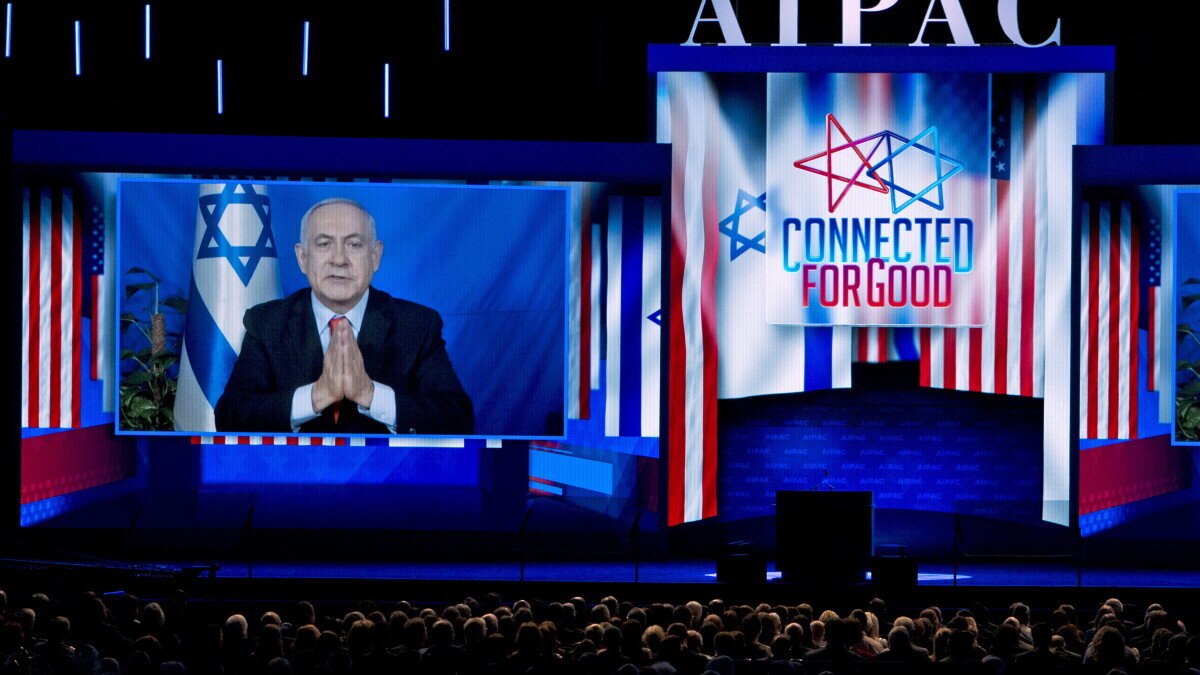
AIPAC and other pro-Israel groups have consistently supplied the organizational muscle, spending tens of millions of dollars to shape congressional votes and bombard offices with demands for military intervention.
However, that routine has now collapsed. The United States can no longer absorb the catastrophic global economic consequences of a prolonged maritime blockade.
Washington is seeking an exit ramp because Israel has fully exhausted its escalatory leverage, failing to achieve a single strategic victory despite raining immense destruction on the region.
The roadmap for future disruption
Desperate to prevent normalization, the Israel lobby and its allied hawkish networks are preparing their sabotage playbook.
To disrupt the implementation window, lawmakers led by Roger Wicker and Thom Tillis are formulating legislative poison pills, demanding congressional ratification for any agreement.
They may intend to paralyze the White House from unfreezing assets by tying sanctions relief to implausible, non-negotiable demands, such as the total dismantlement of Iran’s nuclear infrastructure.
Given the simmering tensions between Trump and the GOP establishment, this move is as much about domestic survival as it is about derailing diplomacy with Iran.
Trump’s political capital is being drained by multiple scandals, including fierce backlash to his $1.8 billion “anti-weaponization” slush fund for January 6 defendants, congressional rejection of the East Wing ballroom fund over cronyism accusations, Justice Department immunity battles, and allegations of diverted campaign funds, just months ahead of the 2026 midterms. This domestic chaos has emboldened the war party to sabotage his diplomatic efforts with renewed intensity.
Concurrently, Israel will likely attempt to manufacture crises through sudden escalations. By continuing aggressive strikes in Lebanon, Tel Aviv may hope to bait Iran and its allies, knowing full well that a comprehensive ceasefire must include all regional fronts.
False flag operations and targeted assassinations remain persistent threats, deliberately designed to create an emotional shock that resets negotiating dynamics in favor of the war party.
The neoconservative media ecosystem also stands ready to weaponize any Iranian defense as an unprovoked violation of the agreement.
Ultimately, this furious backlash exposes the institutional dependence of the anti-Iran consensus. Assuming the diplomatic process bears fruit, it can fundamentally threaten a political machine built entirely on permanent confrontation, arms procurement, and endless regional suffering.
Leave a Comment